
2025 Annual Leadership Retreat Materials
Executive Committee
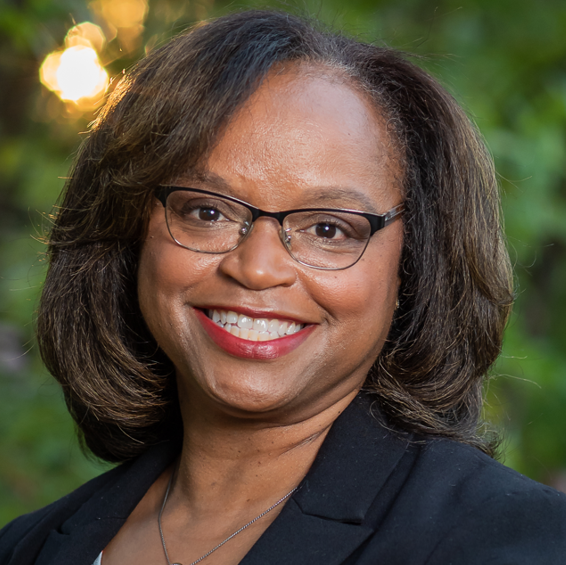
Dr. Jeanetta Sims is known as a highly collaborative, respectful leader who believes in listening, honoring people and scaling through Mt. Fuji moments. She is a tenured professor and former dean of the University of Central Oklahoma’s (UCO) Graduate College and University College as well as the co-creator with students of the Broncho Education and Learning Lab (BELL). She championed UCO’s HLC Quality Initiative which culminated in a new first year experience called Broncho Blueprint. Dr. Sims is a 30+ award-winning scholar, educator, poet, and founder of Diverse Student Scholars. Along with numerous academic publications, she is the author of poetry and prose in the Moments in Soul-journal series and We Are Here series. In 2022, she was named a DaVinci Institute Fellow, Women Who Inspire Award recipient, a Marketing Management Association Fellow, and the inaugural recipient of NCA AACCD’s Dorothy Pennington Award.

Tina M. Harris (University of Kentucky, Ph. D.) is the inaugural Douglas Manship-Dori I. Maynard Endowed Chair of Media and Cultural Literacy in the Manship School of Mass Communication at Louisiana State University. This is the first endowment of its kind in the U. S. Her primary research interest is interracial communication, with specific foci on critical communication pedagogy, race and identity, diversity and media representations, racial social justice, mentoring, and racial reconciliation, among others. Dr. Harris is the Vice President of the National Communication Association, a National Communication Association Distinguished Scholar, an International Communication Association Fellow, and author of the groundbreaking book Dismantling Racism, One Relationship at a Time (2023, Rowman & Littlefield). Collectively, these accomplishments attest to her stature as a prolific and trailblazing scholar in the communication discipline. Dr. Harris is regularly invited to give keynote addresses, serve as a scholar-in-residence, and contribute original research to books, top-tier peer reviewed journals, and encyclopedias in the communication field and other disciplines because her expertise is vast, innovative, and of the highest quality.
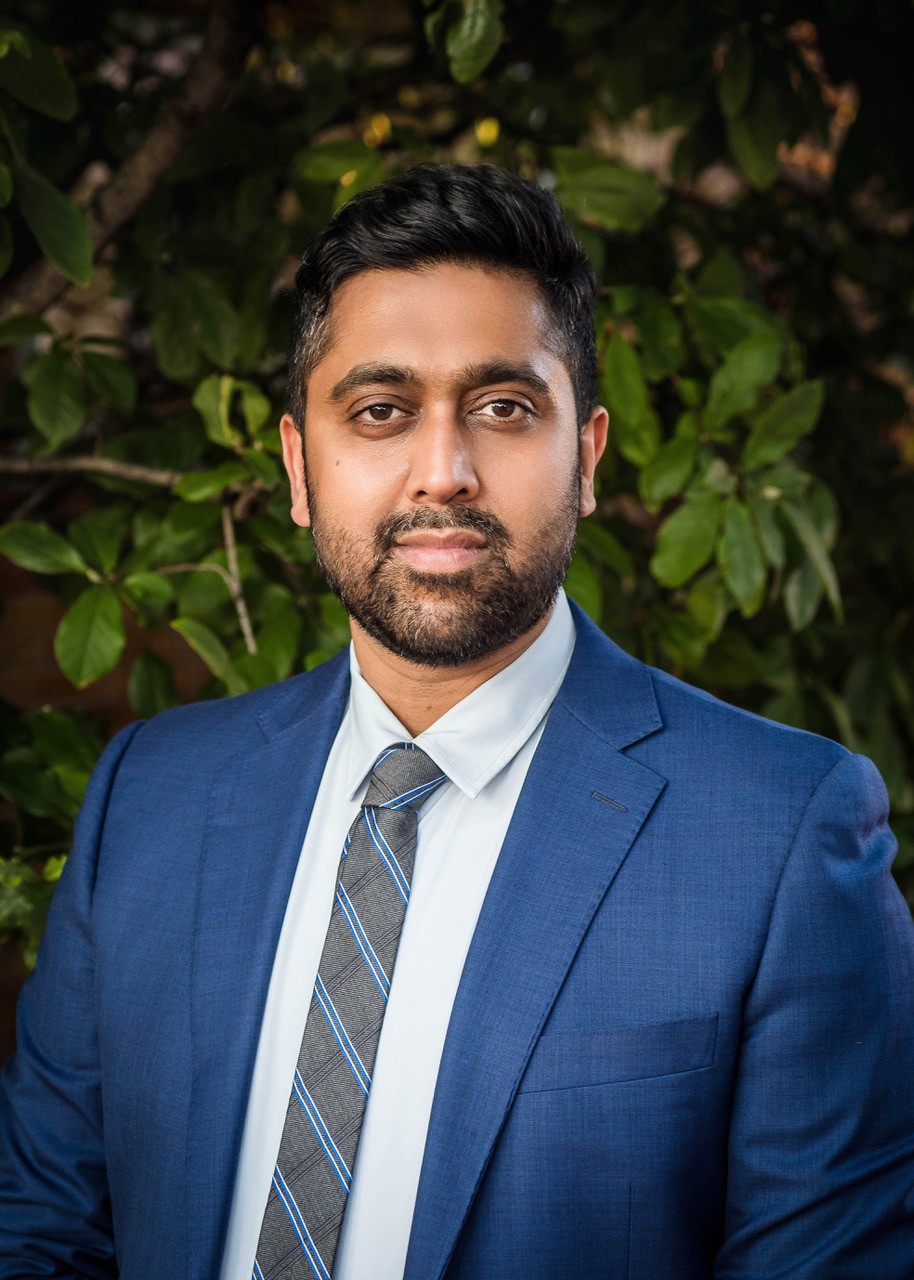
Dr. Shaunak Sastry is Professor of Communication and Inaugural Director of the Pahl Center for the Study of Critical Social Issues at the University of California at Santa Barbara. Dr. Sastry is the First Vice-President of the National Communication Association. Dr. Sastry’s award-winning health communication research has been supported by the National Institutes of Health, the Waterhouse Family Institute, and the Center for Clinical & Translational Science and Training. His areas of research interests include pandemic governance, health impacts of climate change, and community-engaged health research. Sastry currently serves as Co-Director of the Community Engagement Core of the Cincinnati Center for Collaboration on Climate and Community for Health (C4H), which is an NIH-funded P20 research center dedicated to studying the interactions between extreme weather, climate change, and health. Dr. Sastry has previously served as Senior Editor of the journal Health Communication, and sits on the editorial boards of several Communication journals.
Marnel Niles Goins is Dean of the School of Communication at American University. She earned her Ph.D. from Howard University in Washington, DC. Before transitioning to AU, Dr. Niles Goins served as Dean of the College of Sciences and Humanities and Professor of Communication at Marymount University and as Professor and Graduate Coordinator in the Department of Communication at California State University, Fresno, where she worked for 12 years. She taught courses in Small Group Communication and Organizational Communication and has a special interest in gender and racial dynamics in organizational settings. Marnel has numerous publications, including serving as first editor of the recently published, The Routledge Handbook of Gender and Communication. Marnel is 2nd Vice President of the Western States Communication Association, Immediate Past President of the Western States Communication Association, and a Past President of the Organization for Research on Women and Communication. She also served NCA as a member of the Inclusion, Diversity, Equity, and Access Task Force, chair and member of the Finance Committee, and chair of the Black Caucus.
Candice Thomas-Maddox (Ed.D., West Virginia University) is Professor of Communication Studies at Ohio University Lancaster where she teaches courses in interpersonal, family, and organizational communication. She is the co-author of four textbooks: Interpersonal Communication: Building Rewarding Relationships; Quantitative Research Methods for Communication: A Hands-on Approach; Communicating in Your Personal, Professional, and Public Lives; and Family Communication: Relationship Foundations.
Candice received the ECA Ecroyd Teaching Award and the ECA Teaching Fellows designation in recognition of her contributions in the classroom, as well as the 2002 Ohio Outstanding Scholar Award presented by OCA. She is the former President and Executive Director for both the Eastern Communication Association and the Ohio Communication Association, as well as former Chair for NCA’s Instructional Development Division, NCA Short Course Director, and member of the NCA Nominating Committee. Currently, Candice serves as faculty advisor for student organizations on her campus including Phi Theta Kappa Honorary, Alpha Phi Omega service fraternity, and the SPARK Leadership Team.
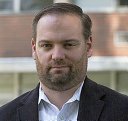
Kenneth A. Lachlan is Professor and Department Head in the Department of Communication at the University of Connecticut. He holds research affiliations with UConn’s Institute for Collaboration on Health, Intervention and Policy, and the Sustainable Global Cities Initiative. He served as the Editor in Chief of Communication Studies from 2016 to 2018. His research interests include the functions and effects of social media during crises and disasters, community-level risk mitigation interventions, and the role of cognitive processing styles in responding to emergency messages. This research has been funded by the National Science Foundation, NOAA, and Japan Science and Technology Agency.

Dr. Michael Lechuga is Associate Professor and Cochair of Culture and Communication at the University of New Mexico. His scholarship includes a number of books and numerous publications in NCA’s premier journals. He serves on the editorial boards of several NCA journals including the Quarterly Journal of Speech and Communication & Critical/Cultural Studies. A lifetime NCA member, Dr. Lechuga has received multiple awards including the New Investigator Award from the Critical Cultural Studies Division. His commitment to academic service extends to community engagement, where he leads initiatives connecting academic research with Indigenous land sovereignty and environmental justice projects.
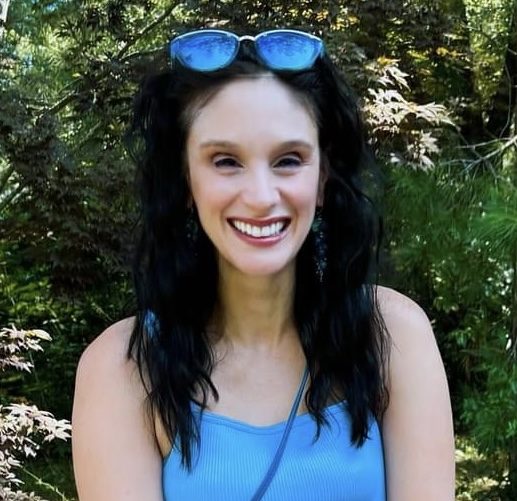
Julie-Ann Scott-Pollock is a Professor of Communication and Performance Studies at the University of North Carolina Wilmington, where she leads 4 Community Performance Troupes and is the Graduate Coordinator for the Interdisciplinary Studies Graduate Program. At NCA, she is the recipient of the Donald Ecroyd Award for Outstanding Teaching in Higher Education, The IDEA Engagement Award for the impacts of her community performance work, The Lilla A Heston Award for Outstanding Scholarship in Interpretation and Performance Studies, the Jim Ferris Award for Outstanding Contributions in Disability and Communication Studies, and the Mid-Career Scholar Award in Ethnography.
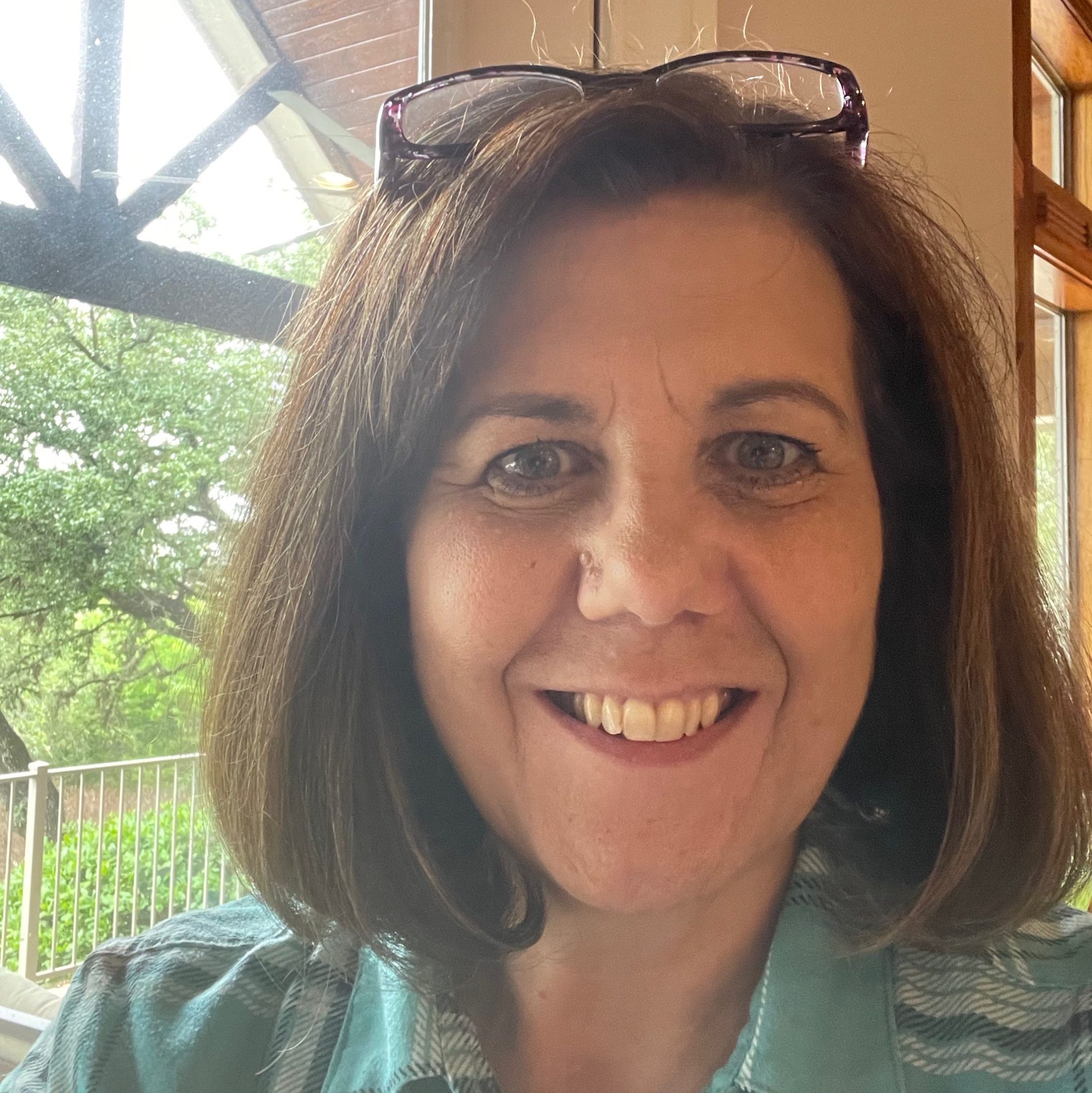
Dr. Laurie Lewis, Chair of the NCA Mentoring & Leadership Council, is Professor of Communication at the University of Texas San Antonio and has served on faculty at Pennsylvania State University, the University of Texas at Austin, and Rutgers University. Her scholarly work investigates listening, organizational change processes, and volunteering. She is author of award-winning Organizational Change: Creating Change Through Strategic Communication and The Power of Strategic Listening in Contemporary Organizations. She served as co-editor for International Encyclopedia of Organizational Communication among other academic publications. She serves as Director for the Center for Dialogue & Deliberation.

John M. Sloop is Professor of Communication Studies at Vanderbilt University and Director of the minor in Sports and Society. The author of multiple books and essays, Sloop is a critical cultural scholar who has tackled a number of subject areas in mediated culture (e.g., incarceration, gender fluidity, immigration, soccer), always with a view toward problematizing cultural meanings and ideological assumptions.
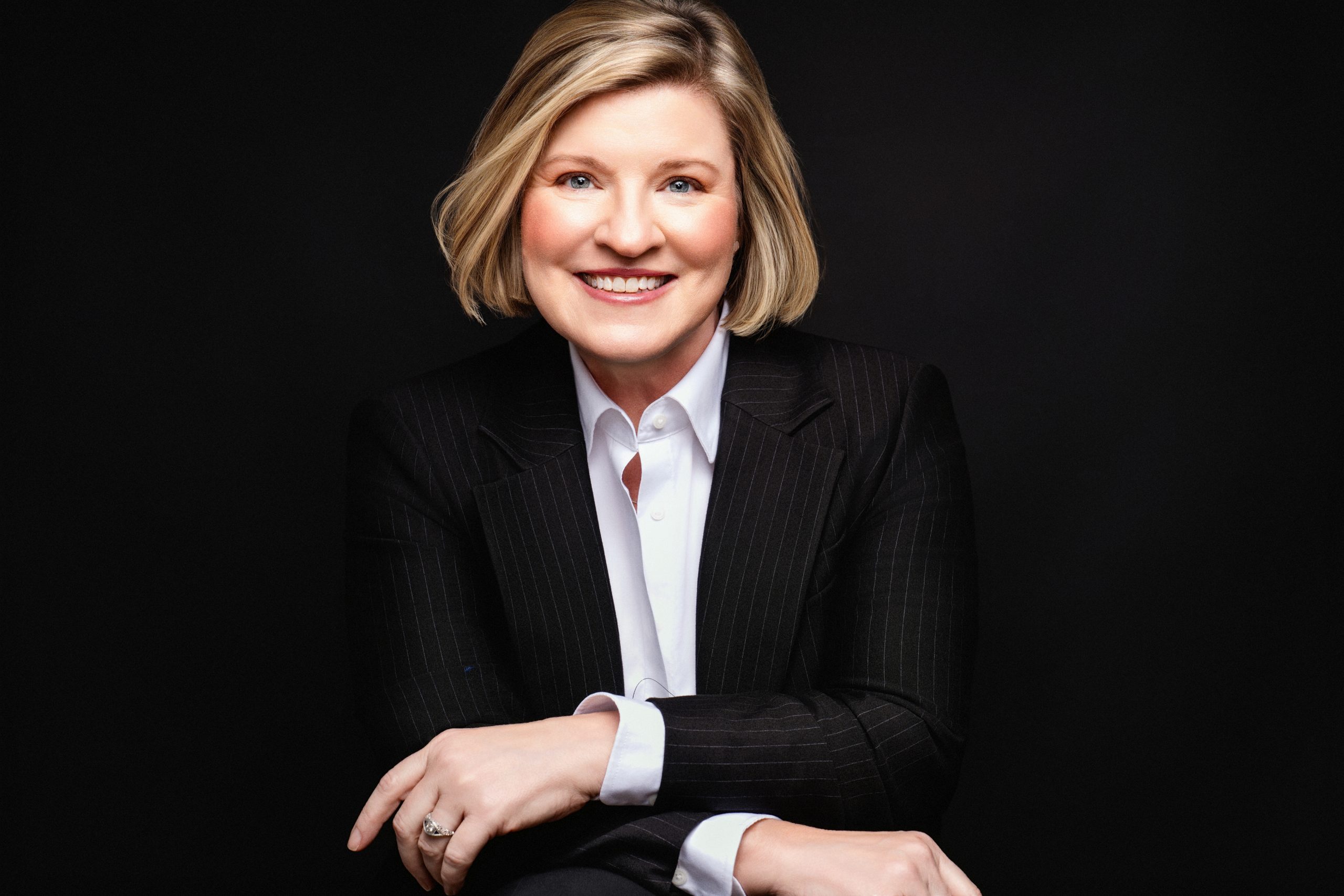
Katherine S. Thweatt earned her B.A. in Journalism from the University of Alabama, Birmingham, her M.A in Communication Studies and EdD in Instructional Communication from West Virginia University. In addition to her academic positions, she has more than a decade of professional experience helping companies utilize big data to achieve organizational goals. She worked as a Research Scientist at the Louis Stokes Cleveland Veterans Affairs (VA) Medical Center, 2001-2007, implementing projects ($1.75 million in funding) at 14 sites enrolling over 1000 veterans between two projects. She also on-boarded cardiology clinical trials while writing grants to seek additional funding. She was Senior Manager of Clinical Quality at MemberHealth from 2007-2009, a Medicare Part D sponsor. Her work led to two national awards for programs that increased the use of ace inhibitors in diabetic beneficiaries and medication adherence in HIV positive beneficiaries. In 2009, she returned to the VA to assess the VA National Quality Improvement Initiative. In 2016, she was elected to plan the 2019 Eastern Communication Association (ECA) Conference. Since serving as ECA President, she returned to ECA as Director of Sponsorships in 2023 and will serve in this role again in 2025. In 2016, she was hired as the Graduate Director of Strategic Communication at SUNY Oswego where she successfully oversaw the development and implementation of this newly approved program. She added an online-only program that is now the cornerstone of the program. Dr. Thweatt is a proven leader who identifies and grows strengths in those she manages and those around her. Dr. Thweatt’s has expertise in program development, psychometrics/survey development, organizational assessment, and big data.
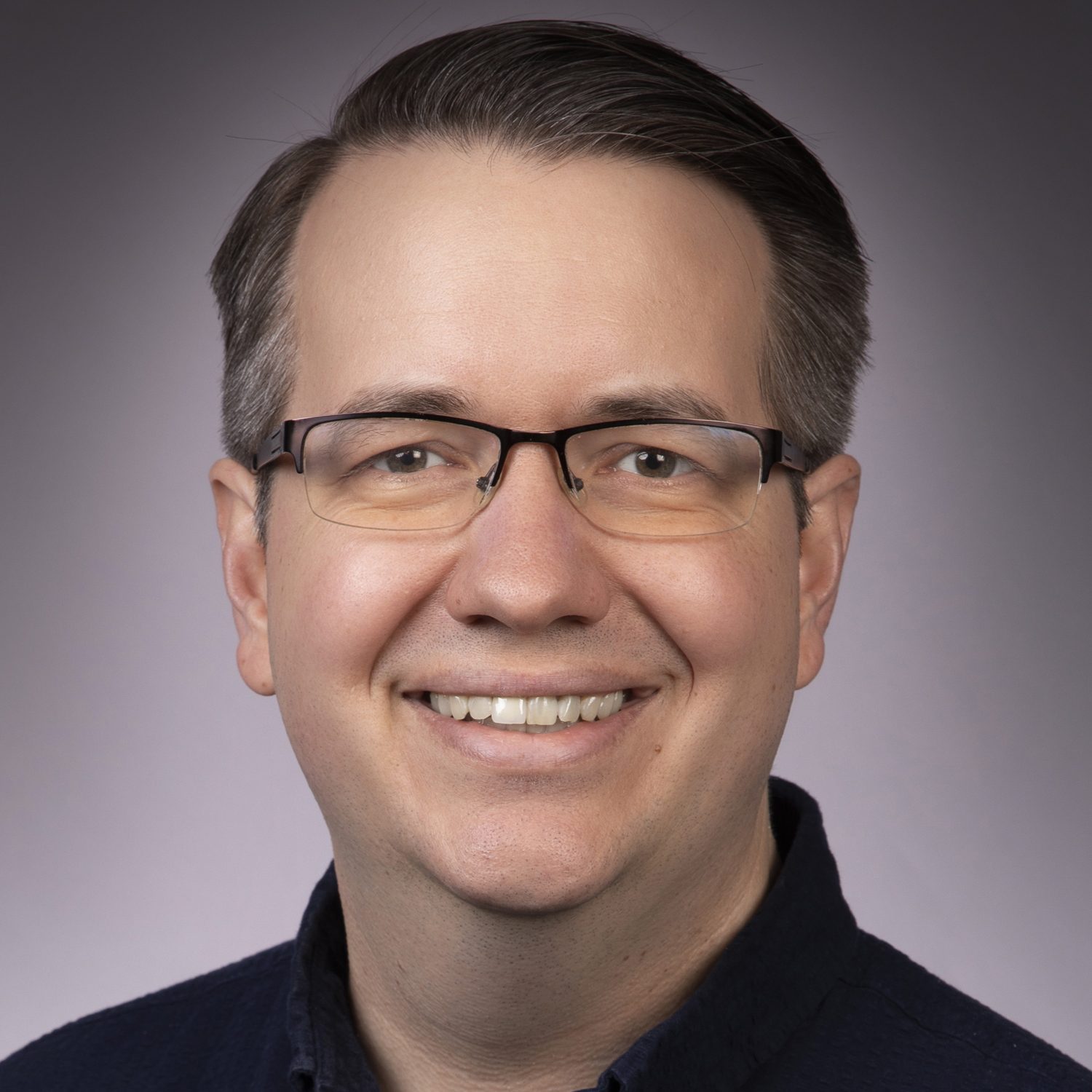
Dr. Benjamin Warner, Ph.D., is Professor and Director of Graduate Studies in the Department of Communication at the University of Missouri. Dr. Warner is a life-long member of the political communication division and has conducted award-winning research on presidential campaign debates and the causes, consequences, and remedies of political polarization. He has edited books on the 2016 and 2020 presidential election campaigns and is preparing a third on the 2024 election. His research appears in Communication Monographs, Political Communication, Journal of Applied Communication Research, Mass Communication & Society, Journal of Social and Personal Relationships, in addition to several other disciplinary and interdisciplinary outlets. Dr. Warner teaches graduate level courses on quantitative research methods, political communication, and campaign debates at the University of Missouri.
IDEA Council
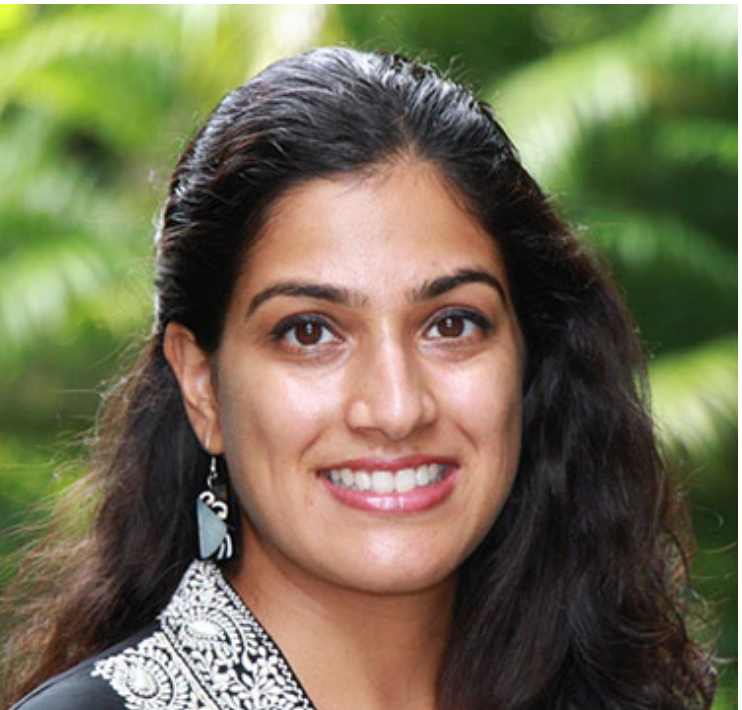
Dr. Noorie Baig (she/her) teaches at FLAME University, Pune, India. She earned her PhD in Communication at the University of New Mexico in Albuquerque. She specializes in critical intercultural communication using qualitative and oral history methodologies. Her research focuses on how South Asians communicate and negotiate their identities in transnational and migrant contexts.

Lisa B. Y. Calvente is Assistant Professor of Performance and Cultural Studies in the Department of Communication at the University of North Carolina at Chapel Hill. Her research and teaching interests lie in the critical interrogation of anti-black and -brown racism and the experiences, representations, and theories of the Black Diaspora, blackness, and coloniality. She is author of Moving Blackness: Black Circulation, Racism and Relations of Homespace (Rutgers University Press 2025), co-editor of Imprints of Revolution: Visual Representations of Resistance (Roman & Littlefield International 2016), and contributor to journals and multi-author volumes in her field.

James L. “Jim” Cherney (Ph.D. Indiana University, 2003) is Associate Professor and Interim Chair of the Department of Communication Studies at the University of Nevada, Reno. He researches ableist rhetoric, particularly as it operates around access, sport, visibility, law, and popular culture. He has published articles in various journals, and his book Ableist Rhetoric: How We Know, Value, and See Disability, was published by PSU Press in 2019. He is a recipient of the Jim Ferris Award for Outstanding Achievement in Disability and Communication from NCA’s Disability Issues Caucus, and currently represents the caucus on the IDEA Council.
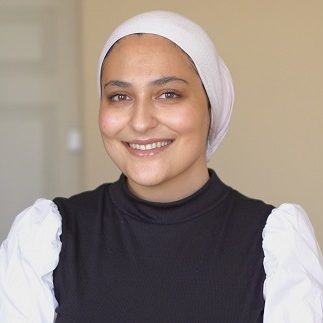
Aya Diab is a Doctoral Candidate studying political communication. She received her BA and MA from the University of South Florida. While she is interested in political communication broadly, she is most interested in political communication as it intersects with Middle Eastern contexts. Her current research utilizes orientalist frameworks to investigate how elite structures portray and discuss the Middle East.
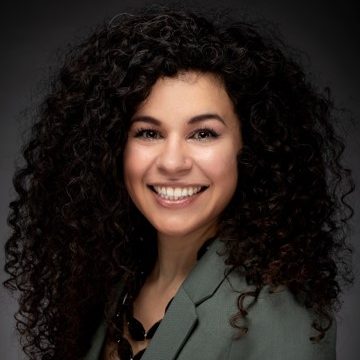
Dr. Leandra H. Hernandez (she/her/ella) is an assistant professor in the Department of Communication at the University of Utah. She is the Vice Chair for the NCA Activism & Social Justice Division and currently serves as the IDEA Council Representative for the NCA La Raza Caucus.
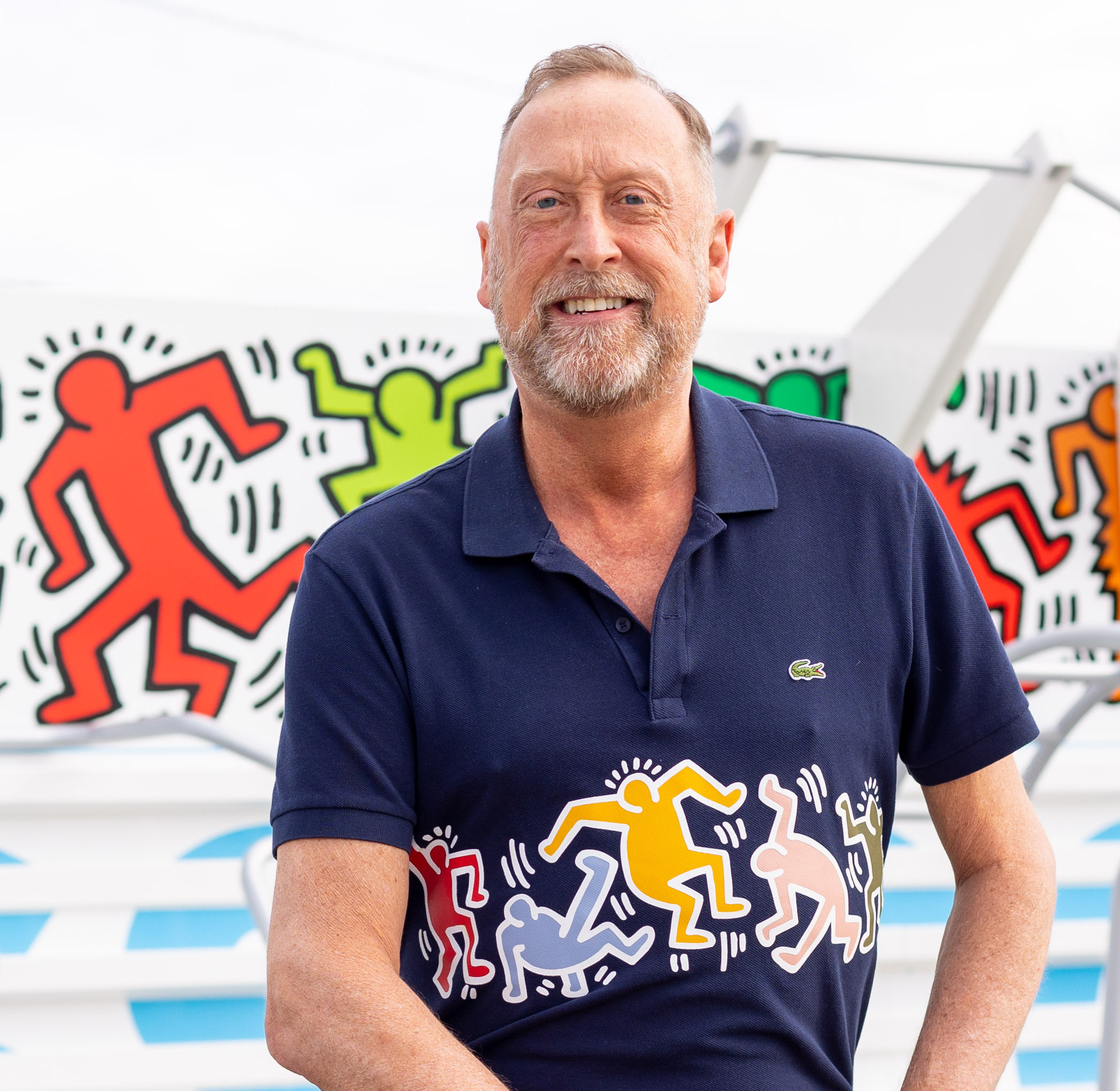
Dr. Deryl Johnson, (Professor, at Kutztown University of Pennsylvania) is finishing his 2nd term with the IDEA Council as the Caucus on LGBTQ Concerns representative. Deryl is Immediate Past Chair of the Theatre, Film, and New Multimedia Division. and has served on several DEI Boards for the PA State System of Higher Ed. A noted performer/playwright, Deryl’s play, Covid Queertet, was produced in Philadelphia in 2023 and his latest work Centralia: The Fire Below is set to premiere in 2026. Deryl is also the founding director of Kutztown’s LGBTQ Resource Center, which is celebrating its 20th anniversary on Feb. 5th.

Rebecca Mercado Jones (Ph.D., Ohio University) is an associate professor in the Department of Communication, Journalism, and Public Relations and affiliate faculty in Women and Gender Studies at Oakland University in Rochester, Michigan. She teaches and researches in the area of critical cultural communication studies and serves on the boards of Planned Parenthood of Michigan and Planned Parenthood Advocates of Michigan. When she’s not doing school or board work, she’s busy with her three kids.
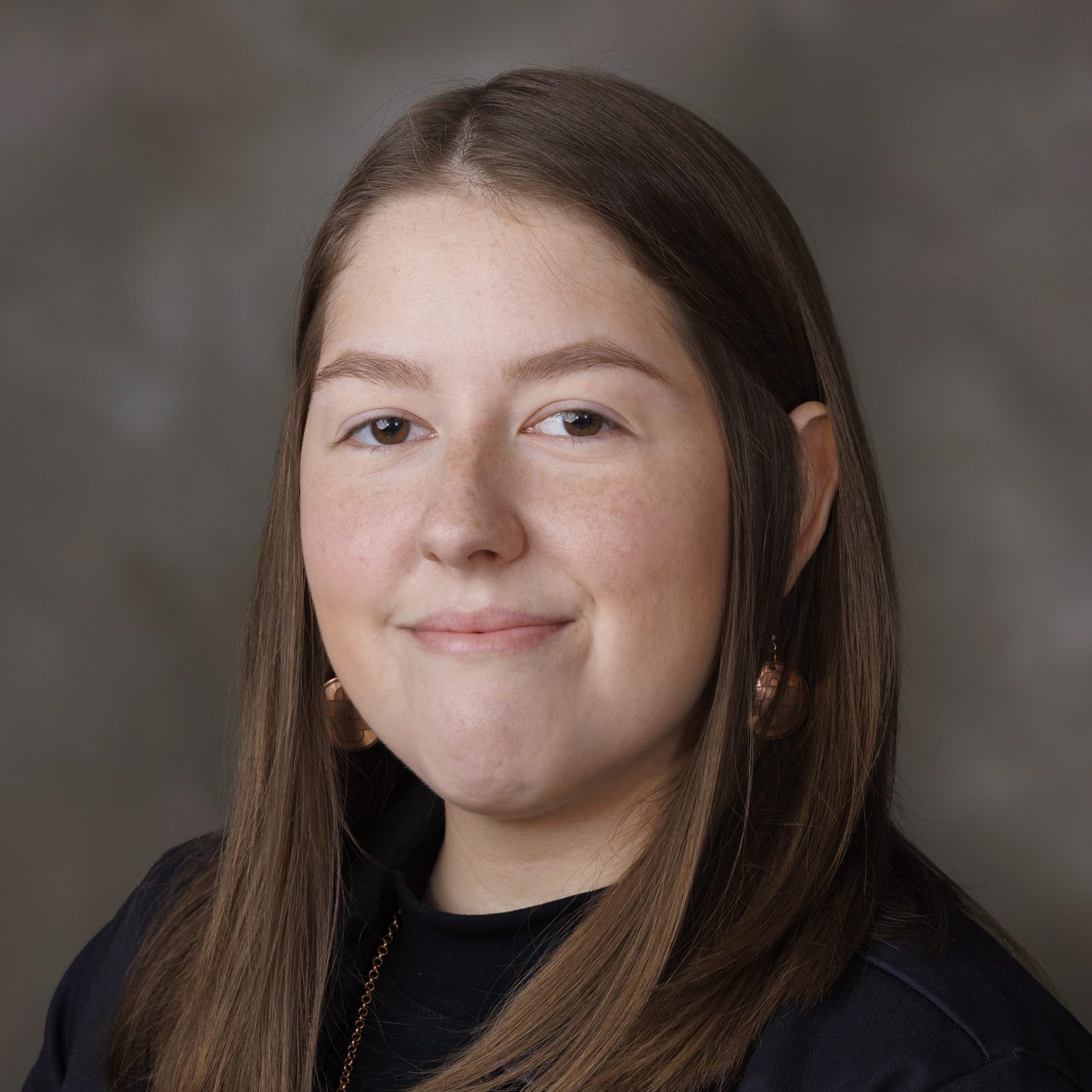
Liahnna Stanley (she/they) is Assistant Professor of Communication Studies and Ethnic Studies (Indigenous Studies program) at the University of Nebraska-Lincoln. Liahnna’s scholarly inquiry is focused on the intersections of rhetoric, Indigenous studies, and queer and feminist studies, with community serving as a primary analytical lens. At NCA, Liahnna serves on the IDEA Council as the Representative for the Indigenous Caucus. Through her father, she is a member of the Poarch Band of Creek Indians.
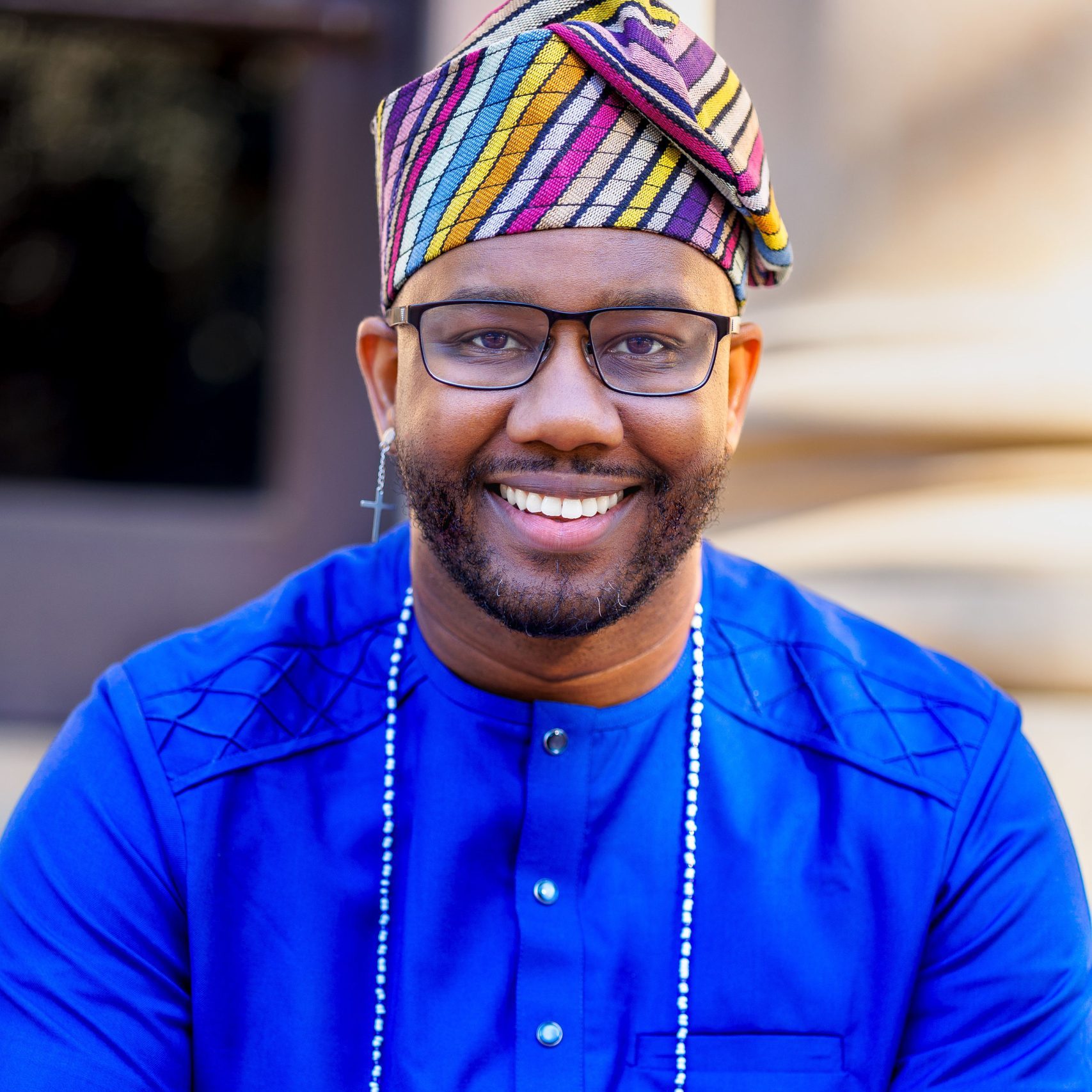
Lionnell “Badu” Smith (Ph.D., University of Memphis) is an assistant professor of critical communication pedagogy at San Francisco State University. Broadly, he studies African and African American cultural rhetorics; however, he is specifically interested in the rhetorics of (a) critical Black pedagogies, (b) Black Language and raciolinguistics, and (c) Black religion, faith, and spirituality. Using critical rhetorical and qualitative methods, Dr. Badu is committed to exploring these interrelated areas through the various lenses of Afrocentric and Black Critical Thought to better understand how these rhetorical situations function, in both historical and contemporary contexts, to promote Black liberation, justice, and community.
Mentorship and Leadership Council

Yea-Wen Chen is a Professor and Director of Graduate Studies in the School of Communication at San Diego State University. She earned her Ph.D. from the University of New Mexico in Albuquerque, New Mexico. Prior to her transition to San Diego State University, she served as an Assistant Professor in the School of Communication Studies at Ohio University, where she worked for 6 years and was awarded tenure and promotion to associate professor. She taught courses in Intercultural Communication and Instructional Communication and has a special interest in communicating cultural identities from the margins in the contexts of immigrant women faculty in U.S. academia, pan-Asian organizing, and critical intercultural communication pedagogy. She is the winner of 23 top paper awards at regional, national, and international communication conferences; a co-recipient of the 2020 Exemplary Teacher Award by the Communication & Instructional Interest Group, Western States Communication Association; and the recipient of the 2024 Diversity Excellence Award for Faculty at San Diego State University. She has published over 70 works, including 4 books and peer-reviewed articles in Communication Monographs, Journal of International and Intercultural Communication, Communication Education, Journal of Applied Communication Research, and Journal of Family Communication. In 2018, Yea-Wen was Chair of NCA’s International and Intercultural Communication Division.

Lisa Hanasono (Ph.D., Purdue University) is a professor in the School of Media and Communication at Bowling Green State University (BGSU). She also is an affiliated faculty member of BGSU’s American Culture Studies Program and Women’s, Gender and Sexuality Studies Program. Her research focuses primarily on faculty development and academic leadership. She is completing her third year on NCA’s Mentorship and Leadership Council, and she is the National Center for Faculty Development and Diversity’s (NCFDD) Academic Director of Training and Content. Previously, she served as the chair of NCA’s Asian/Pacific American Caucus (APAC) and International and Intercultural Communication Division (IICD).
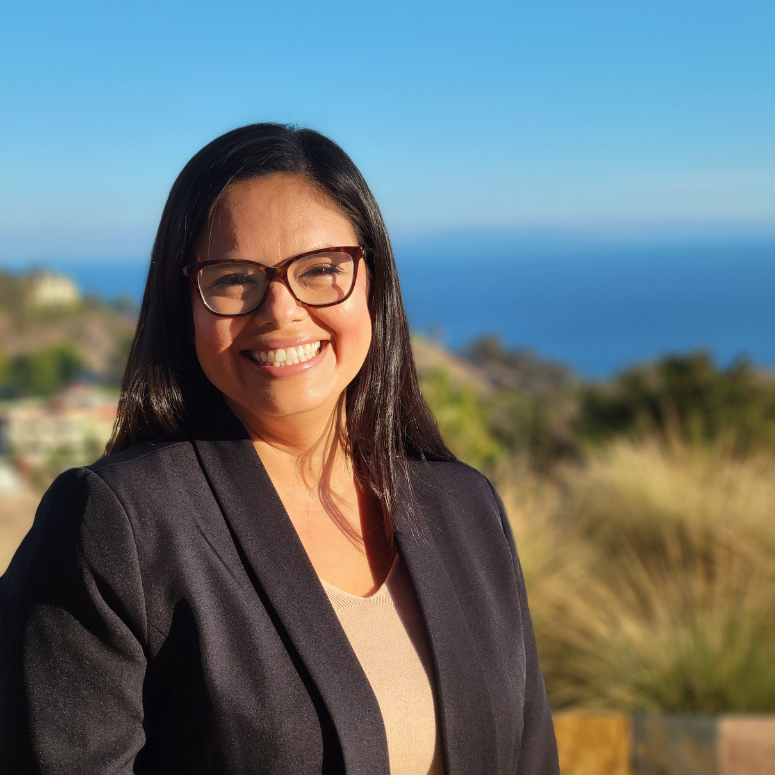
Diana Isabel Martínez (she/her; PhD, The University of Texas at Austin) is an Associate Professor of Communication and Assistant Director for Seaver College’s Center for Teaching Excellence at Pepperdine University. Dr. Martínez’s work focuses on Latinx communities, social movements, visual culture, and rhetorical practices. Through this work, Dr. Martínez has contributed to the ongoing efforts to decenter the normative assumptions embedded in conventional definitions of rhetoric. She is the author of the monograph Rhetorics of Nepantla, Memory, and the Gloria Evangelina Anzaldúa Papers: Archival Impulses and coeditor of Latina/o/x Communication Studies: Theories, Methods, and Practice. Her publications have appeared in journals such as the Western Journal of Communication, Communication Quarterly, The Journal of Multimodal Rhetorics, and edited books.
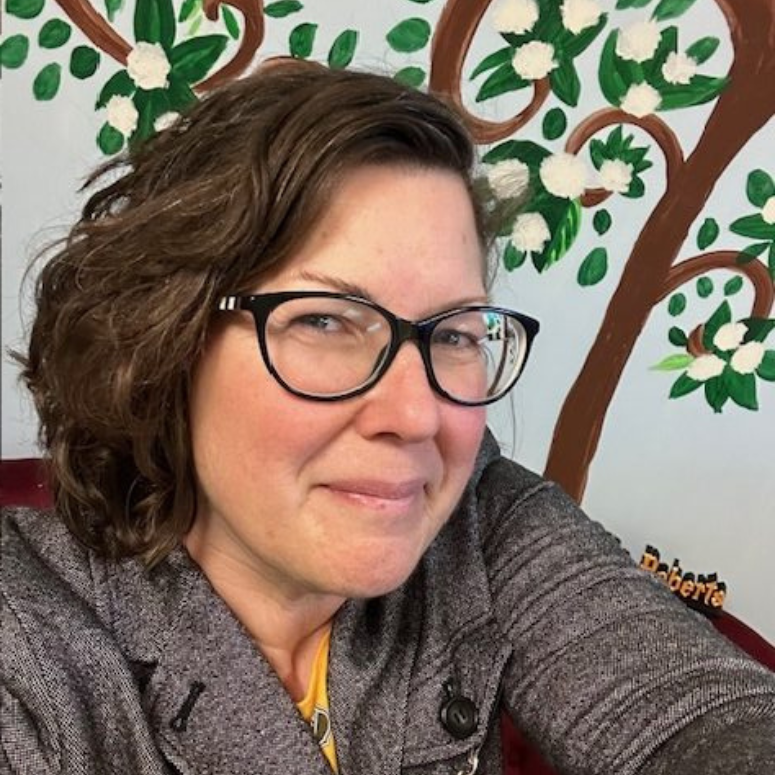
Kathleen Glenister Roberts (Ph.D., Indiana University-Bloomington, 2001) is Professor and Executive Director of the Honors College and Bridges Common Learning Experience at Duquesne University in Pittsburgh, PA. She has published six books, including the national award-winning Alterity and Narrative (2008) and The Limits of Cosmopolis (2014). With a background in sociolinguistics, her research primarily concerns the intersections of pragmatics, ethics, and culture. These topics are reflected in her many peer-reviewed essays in journals such as Text and Performance Quarterly, Communication Theory, Critical Studies in Media Communication, and Argumentation and Advocacy. Dr. Roberts has also won numerous state and regional honors for teaching, mentoring, scholarship, and service. She serves on the advisory board of August Wilson House in Pittsburgh’s Hill District and on the board of the Society to Preserve the Millvale Murals of Maxo Vanka.
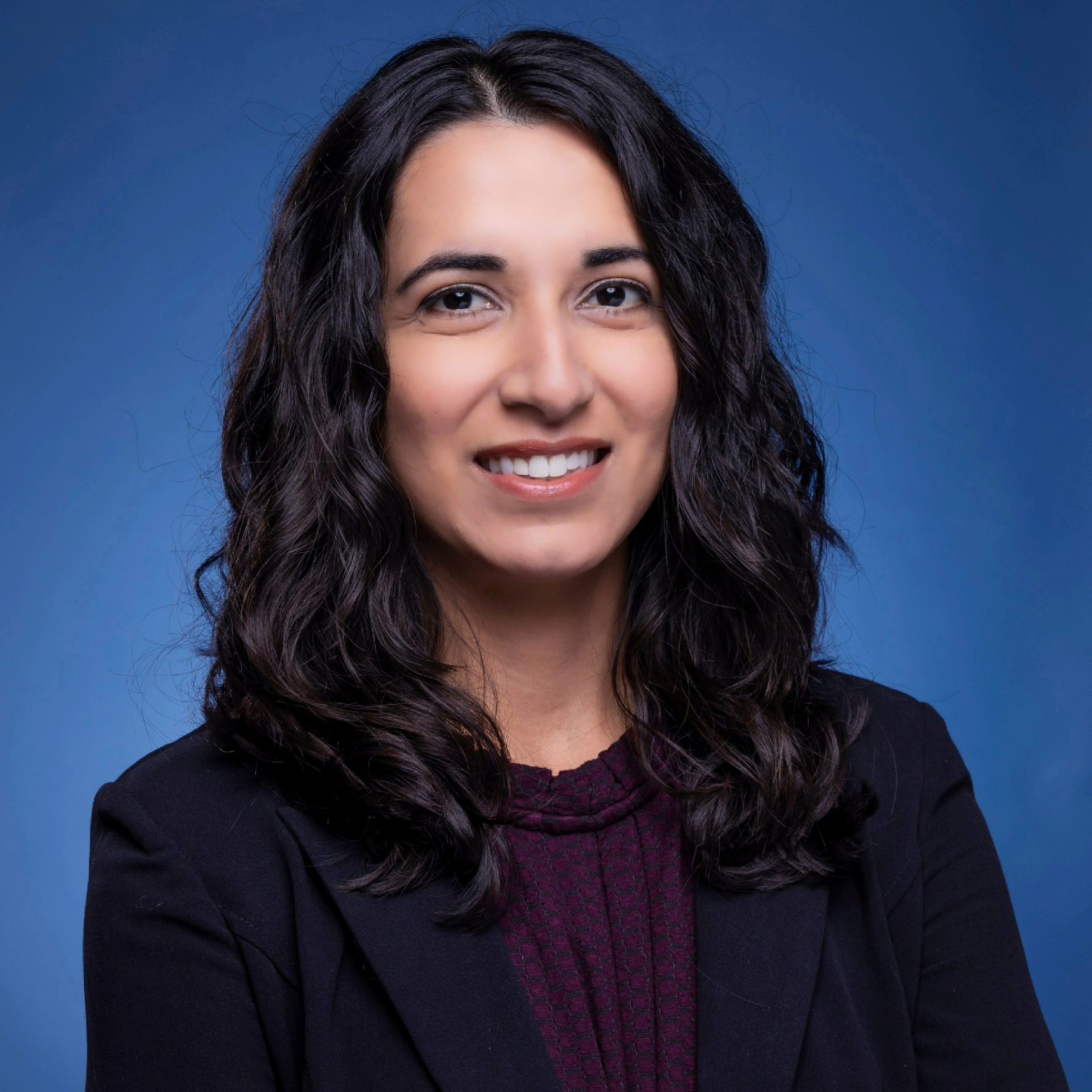
Dr. Muniba Saleem is an associate professor in the Department of Communication at University of California, Santa Barbara and a faculty affiliate within the Institute for Social Research at University of Michigan. Dr. Saleem studies how media affects interpersonal and intergroup relations between racial, ethnic, and religious groups using social scientific methods. Dr. Saleem’s work has been published in journals such as Communication Research, Journal of Communication, Child Development, Personality and Social Psychology Bulletin, and American Psychologist. Her research has been funded by the National Consortium for the Study of Terrorism and Responses to Terrorism, and Facebook.

Rico Self, a native of the Mississippi Delta, is an assistant professor of communication at North Carolina State University. He earned a Ph.D. in communication studies with an emphasis in rhetoric and cultural studies at Louisiana State University in Baton Rouge. His research chiefly examines discourses animating issues of race, class, gender, and sexuality in American culture. His published work can be found in several journals and edited volumes.
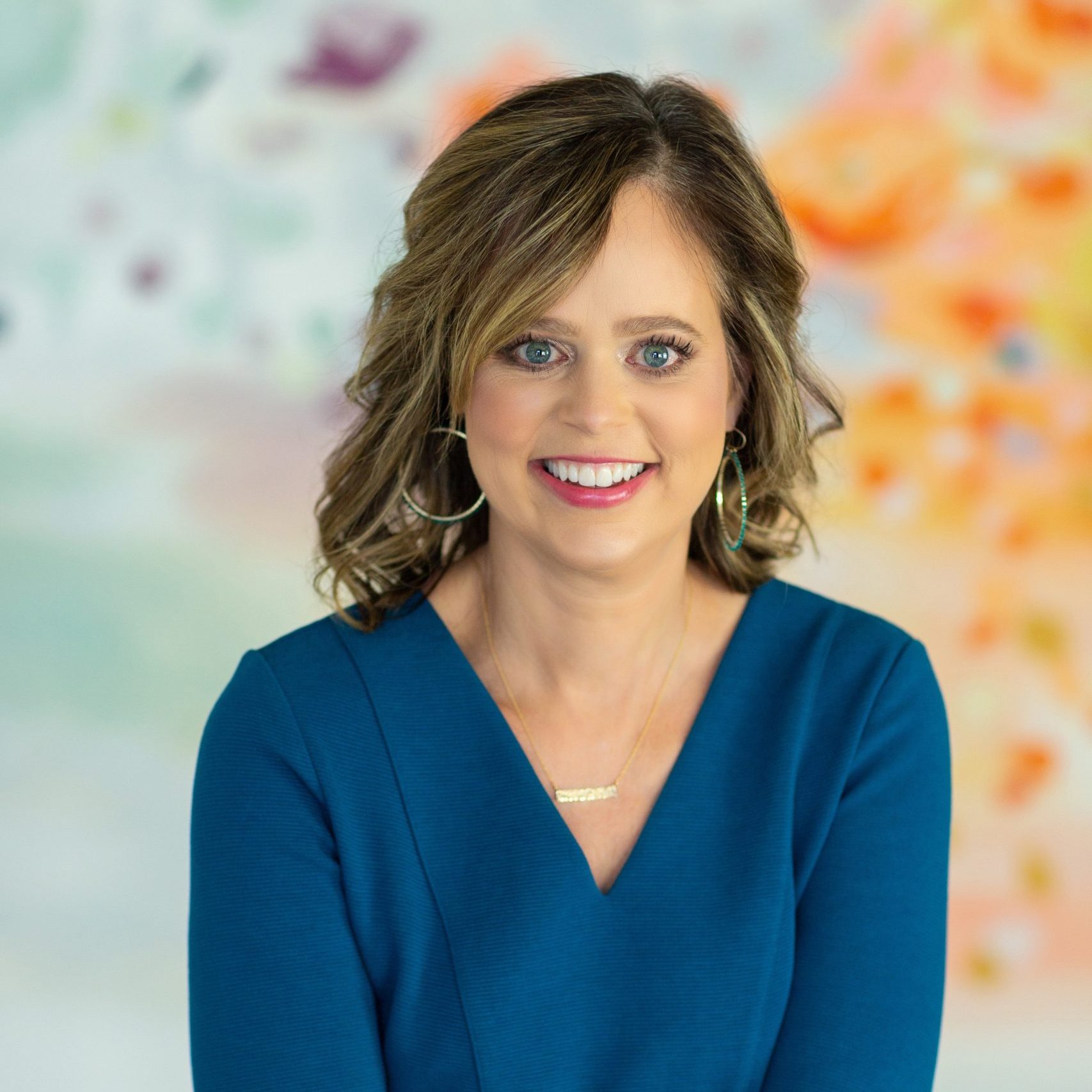
Ashli Quesinberry Stokes, Ph.D., is the Interim Chair of the Writing, Rhetoric, and Digital Studies Department, and Professor of Communication Studies at the University of North Carolina at Charlotte. A 20-21 Fulbright Scholar, her research about communicating identity in the Southern food movement has been described as “a call to action.” She recently published Hungry Roots: How Food Communicates Appalachia’s Search for Resilience (USC Press), which was recently named one of five books for NC Humanities’ NC Reads Program. In addition to Hungry Roots, she also co-authored and edited two other books with Wendy Atkins-Sayre: City Places, Country Spaces: Rhetorical Explorations of the Urban/Rural Divide (Peter Lang), Consuming Identity: The Role of Food in Redefining the South. Her research exploring intersections between identity, activism, and regions has been featured in leading academic outlets such as the Southern Communication Journal, Public Relations Inquiry, Journal of Public Interest Communications, and Journal of Public Relations Research and includes five books.
Publications Council
Godfried Asante (He/Him) is an Associate Professor of Communication at San Diego State University, USA. He has a Ph.D. in Intercultural Communication from the University of New Mexico. Godfried collaborates with human rights CSOs in West Africa using participatory action research methodologies to investigate a range of social issues caused by the criminalization of same-sex sexual relations. In the end, the goal of his research is to identify ways to build individual and organizational capacity of LGBT focused human rights NGOs and activists and to develop culturally relevant ways to do human rights advocacy work in international settings.

Joshua Trey Barnett studies the rhetoric of earthly coexistence. He is the author of Mourning in the Anthropocene: Ecological Grief and Earthly Coexistence (2022), which won the 2022 Tarla Rai Peterson Book Award in Environmental Communication, and the editor of Ecological Feelings: A Rhetorical Compendium (2025). His scholarship has been recognized with the 2022 Karl R. Wallace Memorial Award and the 2021 Early Career Award, both of which are bestowed by the National Communication Association, and the 2024 Faculty Excellence in Sustainability Award from Penn State’s College of the Liberal Arts. He is currently writing a book about the rhetorical dimensions of ecological care.
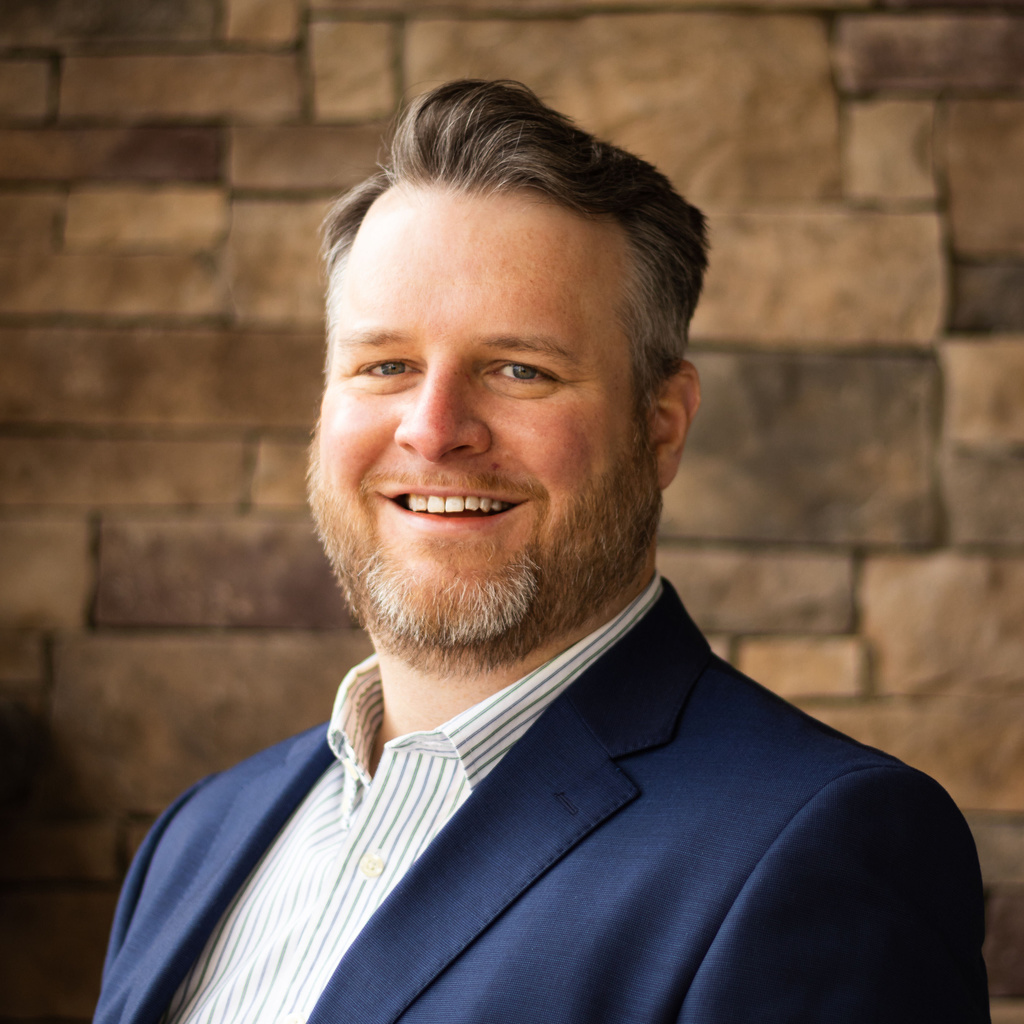
Andy High’s research focuses on interpersonal communication, specifically supportive communication, and computer-mediated communication. Those two lines of research often overlap as he seeks to gain a better understanding of how supportive interactions unfold in different channels. Dr. High is active in the human communication and technology division and the interpersonal communication division of NCA. He has held several leadership positions in each division and is currently completing the sequence of serving as the chair of the human communication and technology division. In terms of research, he has received top paper awards from both divisions and was honored as an early career researcher from the interpersonal communication division.

Elizabeth Hintz (Ph.D. University of South Florida) is an Assistant Professor of Health Communication at the University of Connecticut since 2021. A native Wisconsinite, she received her M.A. from Purdue University and her B.A. from the University of Wisconsin–Green Bay. Her research examines how people managing complex, stigmatized, and poorly understood health conditions experience and navigate challenging conversations with partners, family members, and clinicians. Her work can be found in journals such as Journal of Communication, Human Communication Research, Communication Monographs, and Health Communication.
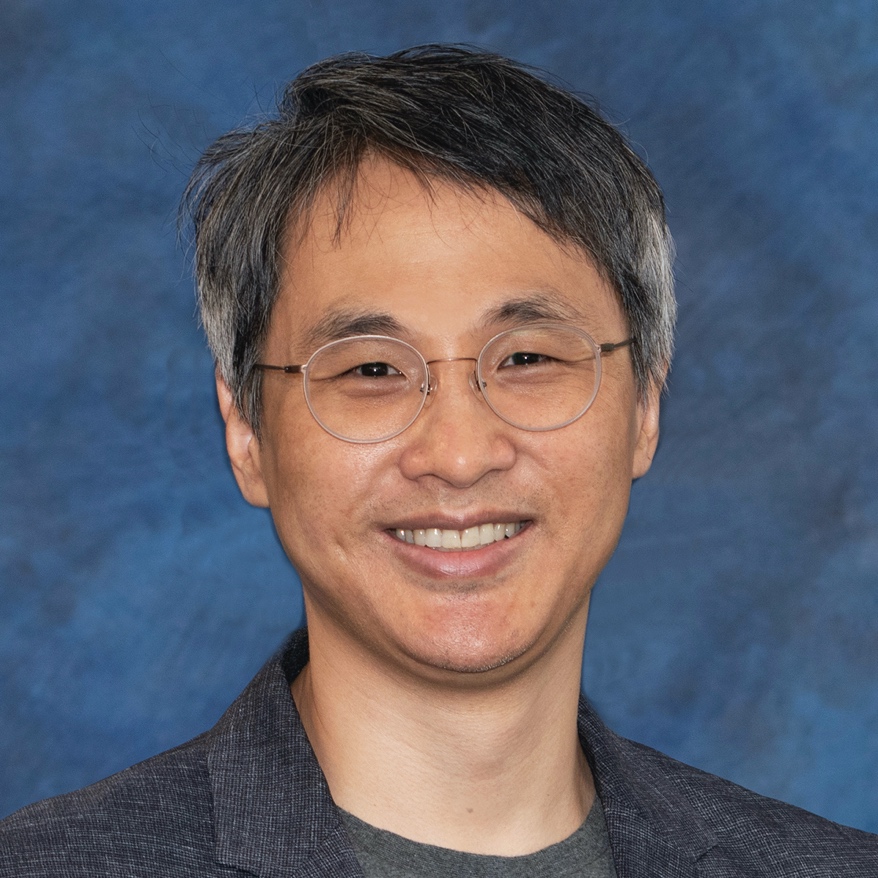
David C. Oh is an Associate Professor in the Newhouse School of Public Communications at Syracuse University. Dr. Oh’s work sits at the intersection of Korean popular culture studies, Asian American media studies, and ethnic and racial studies. He has authored three books, edited two books, published around 50 articles and book chapters, and received numerous awards for his research and mentoring. Further, he currently sits on eleven Editorial Boards in communication, cultural studies, fan studies, and media studies. In 2018-19, he was a Fulbright Senior Scholar at Hankuk University of Foreign Studies.

Angharad N. Valdivia is Research Professor Emeritus at the Institute of Communications Research and the Department of Latina Latino Studies and the Global Studies program at the University of Illinois. Professor Valdivia combines gender and media studies, straddling political economy and cultural studies, enhanced by an intersectional and transnational approach. Her research has ranged from topics such as gender and the press in revolutionary Nicaragua, Latin American and Latinx popular culture studies, girls studies, especially quinceañeras, and Disney Studies. Books include A Latina in the Land of Hollywood; Feminism, Multiculturalism and the Media; A Companion to Media Studies; Latina/o Communication Studies Today; Mapping Latina/o Studies; Latina/os and the Media; and The Gender of Latinidad: Uses and Abuses of Hybridity. Two edited collections in press include (Re)Booting Inequality A Reader on Critical Media Studies Approaches to Film & TV Nostalgia (with Isabel Molina-Guzmán, NYU Press) and Quinceañeras: Latinidades & Girlhood in Popular (with Jillian Báez and Diana Leon-Boys, University of Illinois Press). She curated (with Stephanie Pérez, Ariana Cano, and Dora Valkanova) the Quinceañeras: Celebration, Joy and Ethnic Pride museum exhibit, served as editor of Communication Theory, is the executive editor of the International Encyclopedia of Media Studies, and is a Fellow of the International Communication Association.
Research Council
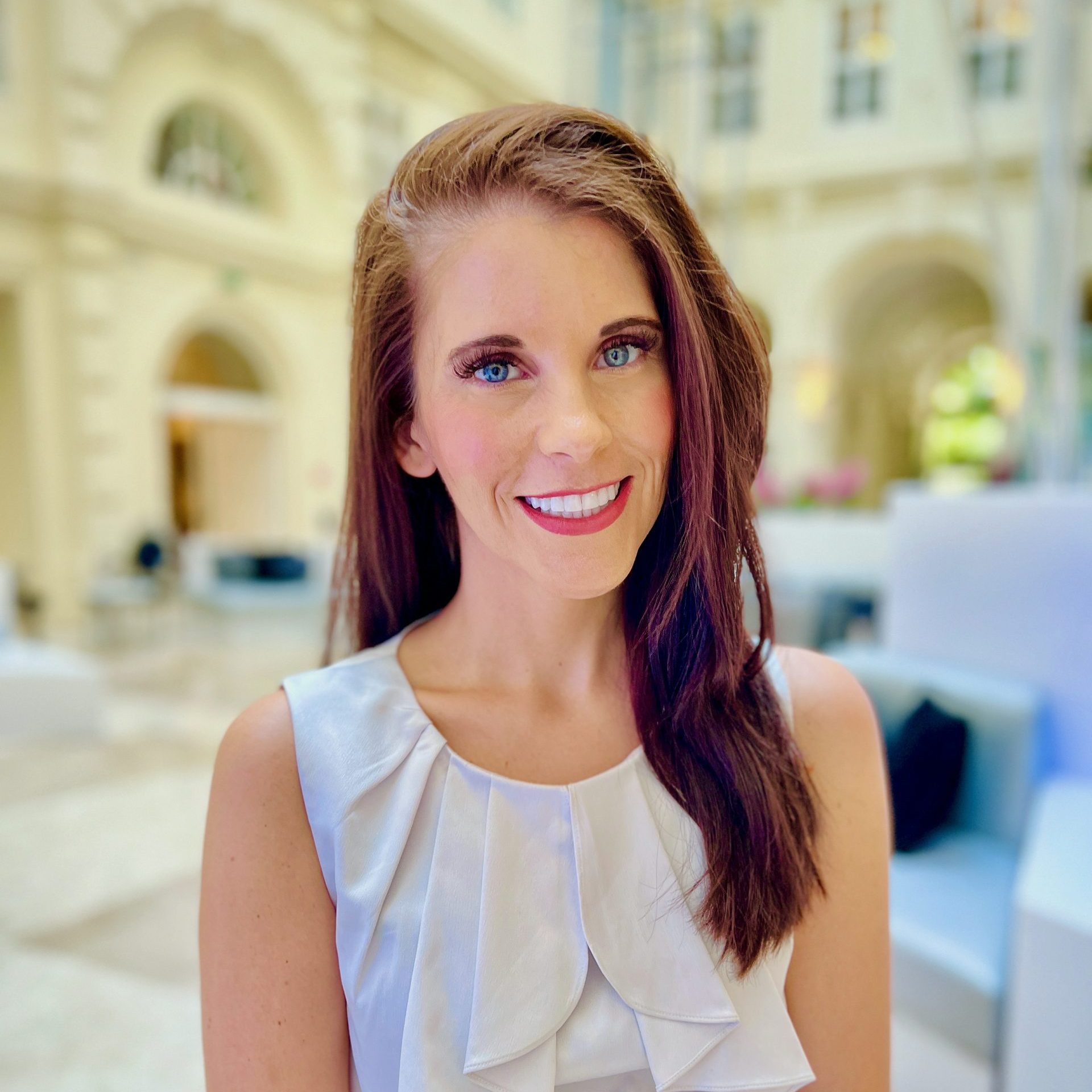
Janelle Applequist (Ph.D., Penn State University) is an Associate Professor at the Zimmerman School of Advertising and Mass Communications at the University of South Florida. She is the School’s Director of Internships, Concentration Head, and Associate Director for the Center for Sustainable Democracy in the College of Arts and Sciences.
She specializes in health communication and advertising, collaborating on grants totaling $62 million. Since 2019, Applequist has served as an Academic Consultant for the Patient Engagement and Advisory Committee for the FDA, delivering five invited presentations to the Center for Drug Evaluation and Research and Office of Prescription Drug Promotion.

Wendy Atkins-Sayre is Professor of Communication Studies and Chair of the Department of Communication & Film at the University of Memphis. She sits on the review boards of the Quarterly Journal of Speech, Communication Monographs, Southern Communication Journal, and Communication Center Journal. Her research centers on identity as constructed through discourse, with an emphasis on regional and social movement studies. Her most recent book, co-authored with Ashli Stokes, is Hungry Roots: How Food Communicates Appalachia’s Search for Resilience (University of South Carolina Press).
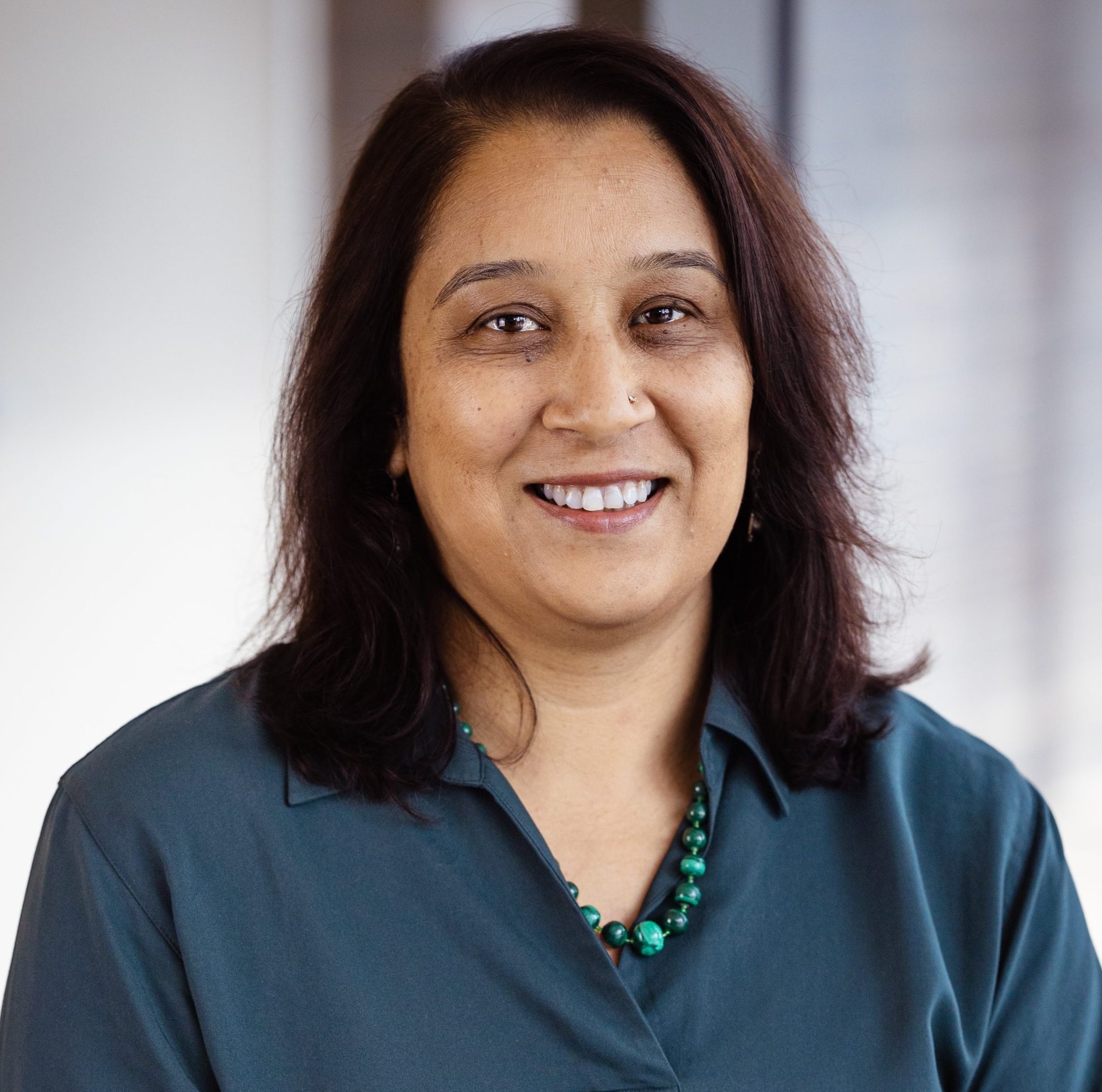
Iccha Basnyat is an associate professor of global health communication in the Global Affairs Program with a joint appointment in the Department of Communication at George Mason University. She has held various leadership positions within NCA. She served on the Research Council from 2021-2023 and is the current Research Council Chair-Elect. She is also the vice-chair of the Health Communication Division and is in the midst of program planning. She was the first DEI chair in the same division from 2021-2022. In addition, she is currently the associate editor for an NCA journal, the Journal of International and Intercultural Communication, and the senior editor of the Health Communication journal.

Dr. Jason Edward Black (he/him) is Professor of Rhetoric and Culture in the Dept. of Communication Studies at the Univ. of North Carolina at Charlotte. He is also affiliate faculty with American Studies, Africana Studies, and Gender Studies. Black’s research is centered in social change, with an emphasis on Indigenous justice, LGBTQIA+ activism, and critical music. He is the author or editor of six academic press books and numerous articles and book chapters. Black is a former Fulbright Scholar and has earned awards from the NEH, the Waterhouse Foundation, and Dirksen Congressional Center.
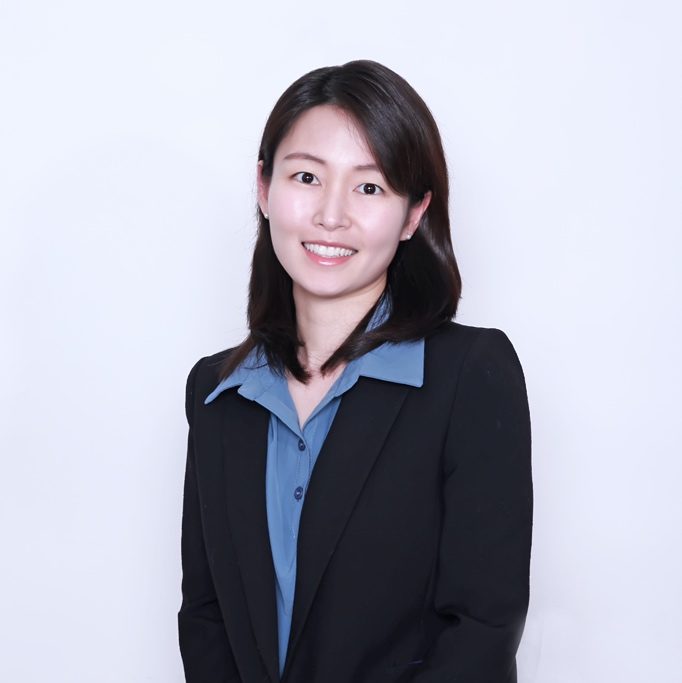
Jiyoung Lee is an Associate Professor in the Department of Media and Communication at Sungkyunkwan University, Seoul, Republic of Korea. Her research focuses on the intersection of emerging media, affective computing, and misinformation, exploring how these areas shape communication practices and audience perceptions. With a strong emphasis on interdisciplinary approaches, her work contributes to understanding the social and psychological impacts of technology-driven communication, particularly in the context of digital misinformation and emotional engagement in media environments.

Dr. Annette D. Madlock (Ph.D., Howard University) is an independent scholar and CEO of Sister Circle Writers. She currently serves as the President of the Religious Communication Association and on the board of the Organization for the Study of Communication Language and Gender. Her recent scholarship includes book chapters Womanism and Phenomenology as Dialogic Lens. In Sayrak, Fritz, and Majocha (Eds) Dialogic Editing in Academic and Professional Writing: Engaging the Trace of the Other (Routledge) and A Womanist Ethic of Care and semioethics: Shared Ethical and Moral Expression. In Petrilli & Mancino (Eds) Communication, Dialogue, and Responsibility: Semioethic Approaches (Taylor & Francis).

Dr. Sean J. Upshaw (Howard University, 2018) is an Assistant Professor at the University of Texas-Austin’s Stan Richards School of Advertising and Public Relations in the Moody College of Communication. Dr. Upshaw is an accomplished Edward Alexander Bouchet Scholar with numerous publications in academic journals such as Health Communication, Applied Communication Research, Journal of Behavioral Medicine, Journal of Health Communication, Patient Education & Counseling, and Journalism Studies. His research is centered around health disparities with a particular focus on visual information and persuasion in health message design, cultural health literacy, and cultural-media representation for historically underserved and marginalized Black, Indigenous, and People of Color (BIPOC) communities. Dr. Upshaw is a qualitative health communication scholar who investigates how BIPOC communities interpret and evaluate health messages and how this contributes to their health decision-making. He also utilizes community-participatory and culture-centered health communication approaches to contribute meaningful research involving health disparities and health inequities facing BIPOC communities using qualitative research methods. Dr. Upshaw is an active member of esteemed organizations such as the National Communication Association (NCA), the International Communication Association (ICA), the Association for Education in Journalism and Mass Media (AEJMC), and the Association of Medical Illustration (AMI).
To learn more about Dr. Upshaw’s work, please click this link: https://www.researchgate.net/profile/Sean-Upshaw-2
Also, follow Dr. Upshaw on social media:
Twitter: @iam_sju82
LinkedIn: Sean J. Upshaw
Teaching and Learning Council

Kandace L. Harris, Ph.D. is currently the Associate Dean of the Mike Curb College of Arts, Media, and Communication (AMC) at California State University, Northridge, where she leads Student Success and DEI initiatives to inform educational policies, and advance institutional practices that promote student achievement. A recipient of the Rex Crawley Outstanding Service Award from NCA’s Black Caucus, Dr. Harris’ research focus includes media representation, social media, and the advancement of women and the underrepresented in the academy. She recently co-authored “Best Friends Forever: Representations of Sisterhood Among Black Women on Screen” in the book Sacred Sisterhoods: A Celebration of Black Women’s Friendships on TV & Film 1993 – 2023; and co-edited the book Being Mara Brock Akil: Representations of Black Womanhood on Television. Dr. Harris holds triple degrees from Howard University, including being one of the first graduates to receive a Ph.D. in Mass Communications & Media Studies.
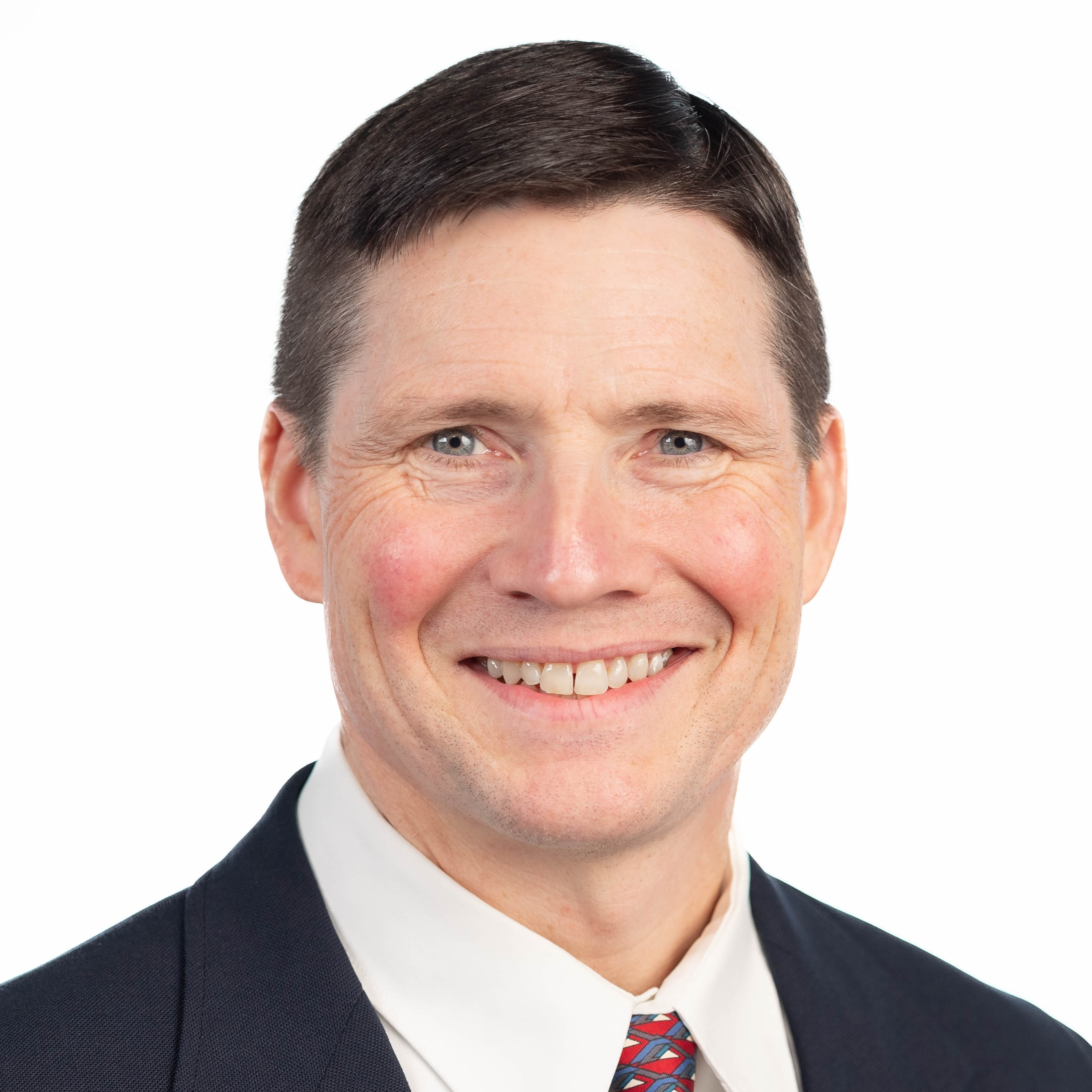
Jon Hess (Ph.D., Minnesota) is Director of the School of Communication Studies at the University of Tennessee. In his scholarship and administrative roles at Tennessee, Dayton, and Missouri, he has explored ways to create the best educational outcomes for students. Jon has served as an introductory course director, department chair, associate dean, and Academic Senate president. In the department, he has led curricular revisions to the introductory course and the major. University-wide, he helped develop a new general education architecture and a new student evaluation instrument for the university. Beyond his institution, he has served as a consultant for the Educational Testing Service and as editor of Communication Education.

Renee Houston (Ph.D., The Florida State University) studies organizing to address inequities centered on issues of gender, social class and race. Grounded in civic scholarship she is interested in giving voice to multiple perspectives from in situ communicative contexts with the potential for real change. In her teaching she uses a social learning approach that brings voice, connection, and justice to her students that inspires them to seek their life’s purpose with skills, confidence. She is also an experienced higher education administrator with an extensive background in mentoring, program development, and education technology. Most recently, she developed several programs designed to provide key experiences that help college students move toward career choices. Her work was recognized with an award from the National Association of Colleges and Employers.

Shauntae Brown White, Ph.D. is a professor in the Department of Mass Communication and interim Associate Dean of the College of Arts, Social Sciences and Humanities at North Carolina Central University. White who also serves as the coordinator of the Women’s & Gender Studies program at NCCU, examines representations of black women in media. She is the recipient of the 2020 University of North Carolina Board of Governors Award in Teaching Excellence.
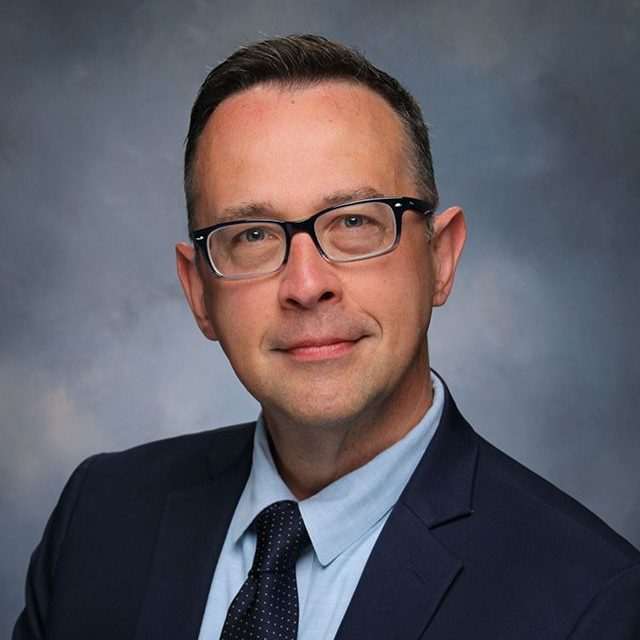
In 1996, Mr. David Yastremski began his career at Ridge High School, in Basking Ridge, NJ, where he serves the district as an English Language Arts teacher and a professional development trainer. Mr. Yastremski is a National Board Certified Teacher (NBCT) and was inducted into the National Speech and Debate Association Hall of Fame, the University of Kentucky Tournament of Champions Hall of Fame, and he received the National Federation of State High School Association Citation in 2024. In 2011, he was awarded the Marcella E. Oberle Award for Outstanding Teaching in Grades K-12 by the National Communication Association.
Lionnell “Badu” Smith (Ph.D., University of Memphis) is an assistant professor of critical communication pedagogy at San Francisco State University. Broadly, he studies African and African American cultural rhetorics; however, he is specifically interested in the rhetorics of (a) critical Black pedagogies, (b) Black Language and raciolinguistics, and (c) Black religion, faith, and spirituality. Using critical rhetorical and qualitative methods, Dr. Badu is committed to exploring these interrelated areas through the various lenses of Afrocentric and Black Critical Thought to better understand how these rhetorical situations function, in both historical and contemporary contexts, to promote Black liberation, justice, and community.
Committees
Jasmine T. Austin
Symone Campbell
Godfried Asante
Kurt Braddock
Kristen Stouthart
Zhuo Ban
Kara Burnett
Aisha Powell
Kallia Wright
Deryl Johnson
Tiffany R. Wang
Kelly Tenzek
Edwin Lee
Kelly Rossetto
Jacob Fisher
Brandon Boatwright
Kelly Merrill Jr.
Dakota Horn
Ekaterina Lukianova
Narissra M Punyanunt-Carter
Misty Knight
Miles Coleman
Kerry Byrnes-Loinette
Robert Mejia
Nicole Constantini
Ivan Gan
Meredith Harrigan
Kai Prins
Jayne Cubbage
Nicholas Lacy
Qingwen Dong
Barbara Parisi
Muhammad Ittefaq
Billy Huff
Wendy Raney
Kaitlin Phillips
Lamiyah Bahrainwala
Elizabeth Thorpe
Ailea Merriam-Pigg
Taisha McMickens
Emily Paskewitz
Charee Thompson
Katy Koduto
Julie-Ann Scott-Pollock
La Royce Batchelor
Caroline Waldbuesser
Tomide Oloruntobi
Sandra L. Faulkner
Stephanie Gomez
Lisa Mikesell
Robert Gutierrez-Perez
Muniba Saleem
Jenna LaFreniere
Samantha Shebib
Josh Barbour
Mark Finney
Alex Davenport
Melinda Farrington
Joshua Scacco
Ryan Neville-Shepard
Anna Wolfe
Jae-Hwa Shin
Suzanne Enck
Mehri Yavari
Brandon Inabinet
Sahar Mohamed Khamis
Julie Sisler
Deryl Johnson
Amanda Slone
Erin D. Vicente
Jessy Ohl
Tiffany Dykstra-DeVette
Ariel Seay-Howard
Rebecca Mercado Jones