
October 1, 2014
National Freedom of Speech Week offers many opportunities for instruction in the history and importance of freedom of expression. Please check out these links to websites offering general information, as well as suggestions for instructional activities for all grade levels.
http://studentsforliberty.org/
http://www.freespeechweek.org/
billofrightsinstitute dot org
firstamendmentcenter dot org/faq/frequently-asked-questions-speech
firstamendmentschools dot org/freedoms/speechfaqs.aspx
http://teacher.scholastic.com/scholasticnews/indepth/constitution_day/
http://www.constitutionfacts.com/us-constitution-kids/
http://www.archives.gov/education/lessons/constitution-day/
http://www.constitutionfacts.com/
http://constitutioncenter.org/learn/educational-resources/games
http://www.pbs.org/tpt/constitution-usa-peter-sagal/constitution-games/
firstamendmentcenter dot org/

New Series, Vol. 2, No. 19 Student journalism in secondary schools has many documented benefits for participating students, including voice empowerment, improved academic performance, vocational training, and encouraging civic participation. However, when discouraged from pursuing topics that they are passionate about and/or benefit their communities because those topics may be...

New Series, Vol. 2, No. 9 Recent and historical efforts to control expression—despite constitutional protection of free speech in the First Amendment—increase the salience of free speech issues for many Americans. Although most people in the U.S. support free speech conceptually, the application of this belief seems to vary depending...

Free speech has been a central issue on many university campuses in recent years. Yet, the focus is often on public universities because students at private universities may not receive the same free speech protections as their public university counterparts. Although there is no requirement for them to do so,...

How tolerant are university students of potentially offensive speech on campus? Common narratives about U.S. students suggest that students do not welcome speakers to campus if they find their speech offensive. In a new article published in NCA’s First Amendment Studies, Jeffrey L. Bernstein and Cameron W. Armstrong examine how students...
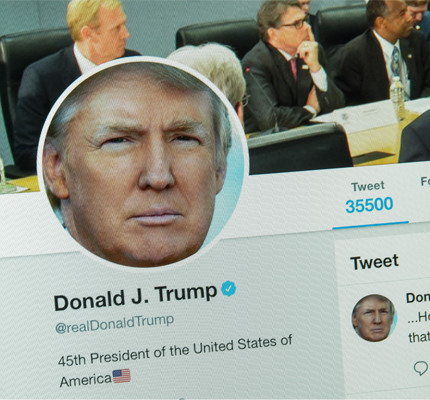
Many political conversations take place on social media, so users often think of social media sites as public spaces. However, legally, social media sites are private spaces, owned by the companies that run them, such as Facebook and Twitter. Thus, the sites generally are not subject to First Amendment protections....

Free speech standards on campuses usually protect hate speech because such speech is not considered a “true threat,” meaning that it does not endanger a specific individual. In addition, hate speech has also been protected because of limits against “viewpoint” discrimination. However, interpreting hate speech as workplace harassment against women...
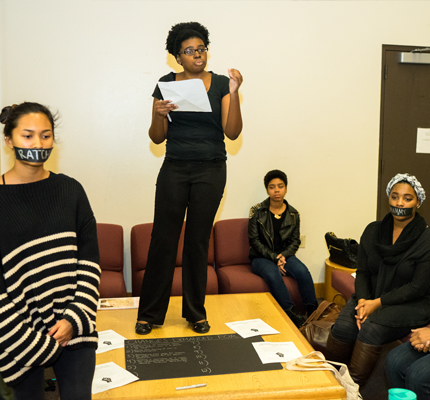
“Campus free speech” laws have been the subject of heated debate in the last few years. These state laws are often modeled on those written by the Goldwater Institute, a conservative think tank. Ben Medeiros suggests that these laws have three key components. First, they eliminate “free speech zones,” so...

In 2013, Rachel Cryer and Laurel Bowman were denied a cake for their wedding by the Kleins, owners of Sweet Cakes by Melissa, because they refused to bake a cake for a same-sex wedding. The couple filed a complaint with the Oregon Department of Justice that was eventually taken up...
These days, there seems to be a public opinion poll on every topic, from presidential approval ratings and consumer product use, to knowledge about current events and views of celebrities. However, while polls became ubiquitous in the 20th century, they were not used at all as evidence in court cases...